How does 360° adjustable nose pad technology improve comfort in sports eyewear?
When athletes look for sports glasses, they often think about lenses and frames. But the real key to comfort is the nose pad. About 80% of problems, like slipping glasses, come from the nose area.

Activities like running and cycling make glasses sweat and move. This can quickly make them uncomfortable. The aim is to find a fit that stays comfortable, no matter your speed.
360° adjustable nose pads are the answer. They let you adjust the angle and spacing for a snug fit. This makes your glasses feel secure and comfortable, not tight.
POHINIX sports eyewear has focused on this for athletes in the U.S. and worldwide. They design glasses that handle wind, light, and endurance well. They also use adjustable features for a secure fit. We'll explore how nose pad design affects comfort and control next.
Why nose pads are the real driver of sports eyewear comfort
Most athletes look at lens tint and frame style first. But the nose pad really decides if a ride or run feels good or not. A small misfit can make the whole frame move, and comfort goes down fast.
Secure eyewear fit starts where the frame touches your skin. This small area has to handle sweat, movement, and time without causing discomfort.

How slipping sports glasses and unstable eyewear start at the nose bridge
The nose bridge is the key anchor point. If the pads are too high, too low, or too narrow, you'll feel your glasses slipping soon. This makes unstable eyewear more than just annoying; it distracts you from your workout.
When the frame starts to move, the optical center can shift. This can blur what you need to see most, like on fast descents or in traffic.
Why sweat, vibration, and rapid movement make everyday nose pads fail
Sweat makes the nasal bridge slippery, and many everyday pads lose grip quickly. Add vibration from rough roads, fast running, sharp turns, and quick stops, and weak pads can flex or bounce at the worst time.
- Glasses slip while running and need constant readjustment
- The frame shifts during cycling, specially over cracks and gravel
- Eyewear can fall off when sweating hard in humid heat
Each issue chips away at distraction-free performance. Your hands and attention keep going back to your face instead of the road or trail.
How long-distance training exposes facial pressure and pressure points
In long-distance training, small discomforts grow. After 60 to 180 minutes, facial pressure builds where pads press into the skin. Sharp edges can cause redness or soreness.
Pad softness and contact area matter because they spread load across the nose. When load is balanced, the frame stays steadier, comfort lasts longer, and your vision stays consistent mile after mile.
360° adjustable nose pads,Sports eyewear comfort,Non-slip sports eyewear
In sports eyewear, small changes can make a big difference. The aim is to keep the frame steady and vision clear. This is key when you're moving fast and sweating.

What “360° rotation tech” and multi-directional adjustment mean in real fit terms
360° rotation tech is all about practicality. It lets each nose pad adjust to fit your nose perfectly, not just one way.
With multi-directional adjustment, you can tweak the fit in several ways. This ensures the glasses fit you like they were made for you. You can adjust:
- Height to lift or lower the frame for cleaner sight lines
- Spacing to match narrow or wider nasal contours
- Angle to reduce rocking when you land, brake, or sprint
How a precision fit improves comfort and supports distraction-free performance
A precise fit reduces small movements that distract you. When the frame wobbles, your eyes work hard to correct it. This can disrupt your flow quickly.
Stable placement also keeps the optical center aligned, which is vital at high speeds. This leads to clearer vision and fewer moments where you need to adjust the frame.
Why adaptive stability matters for intense training focus and athletic performance
Adaptive stability is what keeps your gear solid through tough training. It ensures your focus stays sharp, even when conditions change.
POHINIX designs eyewear that adapts to different situations. When your eyewear stays in place, your performance improves. You can focus on the next challenge without distraction.
How 360° adjustable nose pads reduce facial pressure and prevent an uncomfortable nose bridge
Comfort begins where the frame touches your skin. Adjustable nose pads that rotate and adjust in small steps fit better and feel more stable. This reduces facial pressure, allowing you to focus on your workout.
Pressure distribution basics: why contact area changes pressure point relief
Here’s a simple fact: pressure depends on contact area. A small, hard spot can quickly become uncomfortable. But a wider area spreads the pressure, providing better relief.
Professional nose pads are often wide and thick. They move with you, avoiding sharp pressure on the nose. This makes wearing them for long periods feel normal, not annoying.
Preventing redness and soreness during 1–3 hour outdoor workouts
During long workouts, small fit issues can add up. Sharp edges or stiff pads can cause marks, soreness, and even scratches. Soft, well-shaped pads prevent redness by reducing rubbing and keeping the glasses stable.
When glasses stay in place, you don't need to adjust them mid-workout. This stability is key for secure eye protection, even when the pace changes or sweat drips.
Fit tuning for high vs. low nasal bridges to stop pinching and frame contact
Adjustability is important because noses differ a lot. For low bridges, a snug fit helps keep glasses in place. For high bridges, extra support prevents pinch and frame contact.
- Low bridge fit: bring pads in and down to improve grip and reduce bounce during outdoor workouts.
- High bridge fit: widen and angle pads to spread contact, ease facial pressure, and avoid frame contact.
With the right adjustments, an uncomfortable nose bridge is less likely. The fit is quieter, pressure is spread out, and the frame stays in place for secure eye protection.
Non-slip stability under sweat: grip textures, sweat drainage, and secure eyewear fit
When you're in a tough workout, your nose pads work hard. They keep your non-slip sports sunglasses in place, even when you sweat a lot. This makes sure you stay focused and comfortable, even when you're moving fast.
Why rigid plastic and acrylic get slippery when sweaty (and what performs better)
At first, rigid plastics and acrylics feel good. But when they get wet, they become slippery. This makes your glasses slide down your nose.
Soft silicone is better for sweaty workouts. It molds to your nose, creating a better grip. This means your glasses stay put without feeling too tight.
Sweat-resistant grip design: anti-slip patterns, wavy textures, and drainage channels
Good grip isn't just one thing. It's a whole system. Designers use special patterns and textures to keep your glasses in place. This is important for quick movements and checking your surroundings.
Drainage channels are also key. They help sweat move away from where your glasses touch your face. This keeps your glasses steady and your grip strong, even when it's humid or you're going for a long ride.
- Textured contact points to resist sliding as sweat increases
- Wavy geometry to hold position without hot spots
- Drainage channels to move moisture away from the grip area
How stable positioning protects optical center alignment for safer vision at speed
Slipping can affect what you see. If your glasses move, your view can get blurry. This is because the optical center is off.
When you're cycling fast or going down steep hills, this is a big problem. Stable glasses mean clearer vision. They help you see better and avoid the need to adjust your glasses while you're moving.
Fit for diverse face shapes with multi-directional adjustment
Comfort comes from eyewear that fits your nose perfectly. With multi-directional adjustment, you can adjust pad spacing, height, and angle. This ensures frames stay in place, even when you move.
Narrow vs. wide nasal profiles: dialing spacing to prevent wobble and sliding
Spacing is key to stability. Wide noses need wider pads to support the bridge without discomfort.
Narrow noses prefer tighter spacing. This prevents the frame from moving when you sweat or hit bumps.
- Too wide on a narrow bridge can make the frame rock and drift off-center.
- Too tight on a wider bridge can cause compression and hot spots.
Height and angle tuning for secure eye protection during sharp turns and impact
Adjusting height and angle secures the fit. A small tilt keeps the frame from slipping when you move fast.
This is critical in quick turns. Proper tuning ensures your eyes stay protected by keeping the lenses in place.
How precision fit supports race-proven tech expectations in elite athletic gear
Athletes want gear they can adjust, not guess. In elite gear, even small changes can affect your focus.
It's important to dial in your fit before heading out. A quick check to ensure the nose pads are angled correctly against your skin keeps everything locked in place, ride after ride.
POHINIX engineering and the POHINIX design standard for ergonomic sports eyewear
For athletes, fit is key. It affects how steady your view is when you're moving fast, sweating, and facing rough roads. POHINIX makes ergonomic sports eyewear that focuses on comfort and stability as key performance features.
Brand story: international sports optics built around wind, light, and endurance
Building on over two decades of expertise in international sports optics, POHINIX focuses on the real-world demands of wind, light, and endurance. It focuses on real conditions like wind, changing light, and endurance. The POHINIX design standard is made for these challenges, not just casual wear.
Athletes want stable, predictable, and consistent vision. POHINIX aims to deliver that from start to finish.
POHINIX 360° adjustable nose pad technology: adapting to facial contours for stability
The key feature is the 360° adjustable nose pad technology. It adjusts to your face, ensuring a secure fit. This reduces slipping and keeps your vision steady during quick changes in pace.
- Multi-direction tuning balances pressure for comfort.
- It grips better under sweat, reducing the need for constant adjustments.
- Stable wear supports clear vision during fast movements.
How POHINIX eyewear comfort supports ultimate sports vision and high-performance sports optics
Good fit means your eyes can stay focused. POHINIX eyewear comfort keeps the lens in place, even during intense movements. This is essential for ultimate sports vision.
In high-performance sports optics, clarity is not just about the lens. It's also about keeping the lens aligned during intense movements. POHINIX aims for a steady, race-ready feel without the weight or harshness.
Materials and construction that reinforce comfort and stability
Comfort begins with what touches your face and how the frame holds its shape. The right build ensures sports eyewear comfort stays steady, even with sweat and quick movements.
Why medical-grade soft silicone is preferred for skin-friendly, non-slip performance
Medical-grade soft silicone is great for nose contact. It's soft and springy, staying skin-friendly during long use. It also helps prevent slipping when sweat builds up.
Some plastics and basic rubber can get slippery when wet. This can cause small shifts and more pressure, making the nose bridge feel tired after exercise.
Full-size soft silicone is a newer, premium option. It covers more of the nose bridge, spreading load and keeping grip consistent. But, it often costs more.
Comparing common sports nose pad constructions: integrated molded vs. independent adjustable parts
Construction affects how the pad sits and how much you can adjust the fit. There are two main ways to handle stability.
- Integrated molded nose pads are one piece with the frame, often made through injection molding. This makes the frame feel light while spreading pressure.
- Independent adjustable parts have small brackets for fine-tuning. This helps lock in lens position but may need quick checks to avoid loosening.
Lightweight frame materials and why overall mass affects sports eyewear comfort
Even a great pad can't make up for a heavy build. Lightweight frames reduce fatigue, making them ideal for long activities. Many aim to weigh under 30 grams.
TR90 is favored for its ability to withstand impacts and flex back without bulk. Soft nylon and rubber blends also manage vibration, making the frame feel calm on your face during fast-paced activities.
Sport-by-sport comfort benefits: running, cycling, hiking, skiing
Runners face a big problem: glasses slipping. The right fit can prevent this, keeping your view steady. This is key for maintaining pace and form.
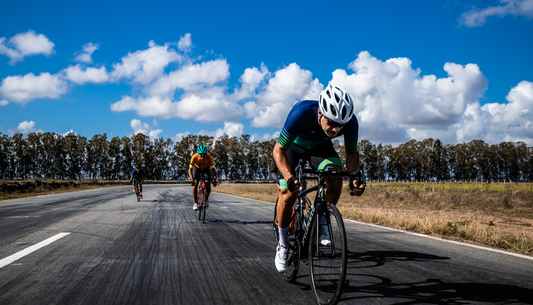
Cyclists need eyewear that stays put, even at high speeds. A secure fit means better control and safety. It's all about making quick, smart decisions on the road.
Hiking for hours requires comfortable eye protection. The right fit can prevent discomfort and irritation. It's essential for enjoying the outdoors without distractions.
Triathlon transitions require gear that is fast to put on and stays secure without distraction. A snug, adjustable fit is vital for clear vision during both the ride and the run, where nose pads play a big role in keeping your eyewear steady.
FAQ
How does 360° adjustable nose pad technology improve comfort in sports eyewear?
It lets you adjust the nose pads in different ways. You can change their height, spacing, and angle. This ensures the frame fits your nose perfectly, making it more comfortable and stable.
Are nose pads really the main cause of most sports eyewear problems?
Yes, they are. Most issues like unstable eyewear and discomfort come from nose pad problems. Athletes often blame other parts, but it's usually the nose pads that are the real issue.
Why do my sports glasses slip more once I start sweating?
Sweat makes the nose area slippery. Many nose pads become smooth when wet. To prevent slipping, look for soft silicone pads with a larger contact area and textures that grip well.
Why does my frame shift during cycling even if it feels fine at rest?
Cycling causes vibrations and impacts that make the nose pads unstable. If the pads can't stay in place, the frame can move. This can affect your vision and safety.
What does “360° rotation tech” mean in real fit terms?
It means the pads can rotate and adjust in many directions. This lets you fine-tune the fit to match your face. It helps prevent slipping and improves stability.
How does a precision fit help with distraction-free performance?
A precise fit means less bounce and wobble. This reduces the need for mid-workout adjustments. It helps keep your vision clear and focused, which is key for top performance.
Why do some nose pads make my nose red or sore after 1–3 hours?
Pressure builds up over time, and small pads concentrate it. Wider, thicker pads spread the pressure, making them more comfortable for longer wear.
How do 360° adjustable nose pads reduce pinching and an uncomfortable nose bridge?
Adjustability lets you match the frame to your nose shape. This prevents pinching and ensures a secure fit. It's great for both low and high nasal bridges.
What nose pad materials perform best for heavy sweat and rapid movement?
Soft silicone is the best for sweat because it's elastic and stays grippy. Rigid plastics and acrylics can become slippery and uncomfortable.
Which design details create better sweat-resistant grip?
Look for anti-slip patterns and textures. Also, channels that help drain sweat. These features keep your eyewear secure during intense activities.
Why is stability about safety, not just comfort?
Stability is key for safety, not just comfort. When eyewear shifts, it can affect your vision. This is dangerous, like during high-speed activities.
How do I adjust nose pad spacing for narrow vs. wide nasal profiles?
Wide noses need wider spacing to avoid pressure. Narrow noses need tighter spacing to prevent slipping. Adjusting in multiple directions helps find the right fit.
How do height and angle adjustments help during sharp turns, jumps, and impact?
Adjusting height and angle keeps the frame stable during movement. This reduces forces on the nose bridge, improving protection and fit.
What are the most common failure modes athletes report, and how do nose pads fix them?
Athletes often report glasses slipping, frames shifting, and discomfort. Better pads, like soft silicone, and adjustable technology solve these issues.
What is the POHINIX design standard, and why does it focus on nose pads?
POHINIX focuses on wind, light, and endurance in sports optics. It prioritizes nose pad stability and comfort for top performance.
How does POHINIX engineering support comfort and stability in real training?
POHINIX engineering matches facial contours for a steady fit. This ensures clear vision and less movement during training.
What’s the difference between integrated molded nose pads and independent adjustable parts?
Integrated pads are lightweight but can't be adjusted. Adjustable parts offer a precise fit but may need checks over time.
Can nose pads solve discomfort if my sunglasses are heavy?
Not completely. Even the best pads can't fully offset heavy eyewear. Lighter designs are better for long comfort.
How do better nose pads help running performance?
Better grip and fit reduce mid-run adjustments. This keeps your view steady on uneven terrain, supporting better performance.
How do better nose pads help cycling performance and safety?
Better fit and grip are key for cycling. They help keep your vision clear, even at high speeds.
How do better nose pads help hiking comfort over long wear?
Hiking requires long wear, where pressure points can be a problem. Softer pads reduce discomfort and prevent redness.
How do better nose pads help skiing and other high-impact sports?
Skiing requires a secure fit to handle wind and quick turns. Adjustable pads ensure your eyewear stays in place for clear vision.
Do adjustable nose pads require maintenance?
Yes, they do. Periodic checks are needed to keep them secure and aligned. This is important for performance and safety.