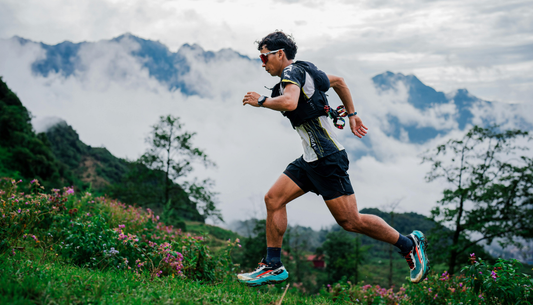
How to choose the best sports eyewear that don't fog up during high intensity workouts?
If you train hard in the United States, you know how fast lenses can turn from “must-have” to “can’t-see.” One minute you’re fine, the next you’re wiping sweat and guessing the next step. Anti-fog sports eyewear matters most when workouts spike, and when you move through sun, shade, and wind in the same session.

Sports glasses aren’t just a look. They offer full UV protection, cutting harsh glare and reducing squinting on long runs and rides. Reflections off water can feel brutal, and they can make pacing and footing less safe. The right lenses also support workout clarity, which is key on trails where depth cues change fast.
In this guide, you’ll learn how to choose the best sports eyewear for real training, not just casual wear. We’ll break down what makes the Best sports eyewear for intense workouts: airflow and fit that fight fog, grip that stays put when you sweat, and comfort that holds up for miles.
We’ll also cover lens choices so your intense workout eyewear matches the effort. That includes polarized vs. non-polarized options, photochromic lenses for shifting light, and prescription readiness without losing ventilation. By the end, you’ll be closer to the best sunglasses for intense workouts for your routes, your climate, and your pace.
This article uses POHINIX as a practical lens for what to look for. POHINIX has been innovating in sports optics for over 20 years. They focus on wind, light, and endurance, with ventilation systems and GNEXT™ liquid photochromic technology designed to keep vision sharp during training. If you want fog-free sports sunglasses, the details you’re about to learn will help you spot them quickly.
Why fog happens during high-intensity training (and how to prevent it)
Lens fog is often unexpected, but it follows a simple rule. When you work out hard, warm air near your face meets a cooler lens. This mix of temperatures turns moisture into fog, making things blurry.
To stop fog, focus on better airflow instead of blaming the lens. The goal is to keep air moving. This way, moisture can't settle, keeping your view clear even when you're pushing hard.

Temperature difference + humidity: the condensation trigger
Fog is caused by condensation. During intense workouts, your skin heats up and the air around your eyes gets humid. If the lens stays cooler, fog forms.
High humidity makes fog worse because there's more water in the air. Even a little cool breeze or shade can start fogging again.
Sweat, breath, and skin oils that accelerate lens fogging
Sweat vapor from your face increases humidity near the lens. Heavy breathing can push air up, making fog worse. This is true for certain nose shapes or when wearing a face mask.
Skin oils also play a role. They leave a film that moisture clings to, making fog last longer. Keeping your lenses clean helps prevent this.
Common “fog traps” in fit: frame-to-face distance and oversized coverage
Fit can trap wet air. If the frame is too close to your face, heat gets trapped, causing fog.
Oversized frames block wind but can also block airflow. Without vents or channels, even small gaps can be a problem. They let light in but don't move air well.
When fogging is actually a ventilation efficiency problem
Many fog issues are about ventilation. If air can't move over the lens, your face gets hot, and fog builds up fast.
To fight fog, look for designs with vents or channels. A good fit that doesn't trap air helps too. This way, you'll see clearer during tough workouts.
Anti-fog sports eyewear,Best sports eyewear for intense workouts
When you're training hard, fog can really mess with your pace and focus. Anti-fog sports eyewear is key. It keeps your vision clear by managing heat and moisture. For athletes in the US, the best eyewear is the one that keeps air flowing and sweat off the lens.

Prioritize airflow management: active ventilation holes and vented browlines
Don't just look at lens shape. Airflow management is more important. Choose eyewear with vents in the browlines, front channels, or frame cutouts. This lets air move freely over the lens.
Active ventilation holes are great for long climbs or humid intervals. They help push out warm air and reduce sweat drip. This lowers the risk of fogging up during intense workouts.
- Dedicated vents near the top edge to push heat out
- Airflow channels that don’t sit flush against your face
- Lightweight cutouts that boost air movement without feeling drafty
Choose fog-free gear materials that handle sweat-wicking gear conditions
Fog-free gear isn't just about lenses. In sweaty conditions, slippery frames can smudge. Look for frames with grippy rubber to stay in place.
Lightweight, durable materials are key for long sessions. Frames that feel like they're not there are less likely to get smudged. This keeps your vision clear from start to finish.
Look for lens coatings that resist moisture buildup and smudging
Even with great vents, sweat can splash up. Modern coatings help. They make it harder for moisture and smudges to stick, so you can wipe less often.
This means fewer streaks and less haze during intense moments. It's a big help for real workouts.
Match your style to effort level: intense workout eyewear needs more airflow than casual pairs
Style is important, but effort level matters more. Technical shapes work well for high-speed activities. But casual frames might trap heat when you're pushing hard.
A simple rule: for intense training, focus on active ventilation, grip, and fog-free features. Don't just go for big coverage.
Fit and stability features that keep performance eyewear clear and comfortable
Fog control isn't just about the lens. How well the eyewear fits affects air flow and sweat drainage. A good fit keeps your frames steady, even when your heart rate goes up. This ensures you stay focused and maintain clear vision during your workout.
Stable grip matters: rubberized nose bridge and temple tips for sweaty runs
A stable grip is key, starting with the nose bridge and temple tips. Look for rubberized parts that grip well, even when you're sweating a lot. This prevents the frames from slipping, keeping vents open for better airflow.
This is vital for cycling glasses too. Road bumps and head movements can make frames shift. A secure fit keeps your lenses steady, ensuring a clear view during turns and sprints.
Adjustable 360° nose pads to dial in comfortable fit for intense training
Adjustable 360° nose pads let you customize fit and airflow. A small adjustment can improve ventilation and reduce smudging. This is essential for staying comfortable during intense workouts, whether in a humid gym or on a long run.
- Check for adjustability that lets you widen, narrow, raise, or lower the contact points.
- Utilize the 360° adjustability to dial in the perfect distance between your face and the lens. A quick adjustment is all it takes to optimize your personal airflow and ensure stability during your most intense training.
- Move the frame, then breathe hard for 20 seconds to see if fog starts at the top edge.
Prevent bounce and gaps: wraparound geometry vs. lifestyle frames
Wraparound frames are designed for speed and protection. They block wind and debris, helping you stay steady. But they must also allow for airflow to prevent fogging.
Lifestyle frames are lighter and more casual. Yet, they might shift more during impact. If you see gaps, you may get more fog and less clear vision during your workout.
Lens choices for workout clarity: polarized, non-polarized, and photochromic
Lens choice is key for comfort in motion. The right lenses support clear vision when you're moving fast, sweating, and facing changing light.
Think of lenses as part of high-performance sports gear. They protect your eyes, reduce glare, and keep things sharp. This helps you stay focused and relaxed.
100% UV protection basics for outdoor visual clarity in the United States
In the United States, 100% UV protection is essential, not just a feature. It's important on sunny days and cloudy ones too, when you might not notice the glare.
Full coverage also protects your eyes and the skin around them. This is great for long workouts. When your eyes are comfortable, you can see better for longer.
Polarized vs. non-polarized: glare control vs. trail depth perception
The choice between polarized and non-polarized lenses depends on your training location. Polarized lenses reduce glare from water, pavement, and car hoods, making midday workouts easier.
Non-polarized lenses are better for technical trails. They help you see texture and depth more naturally. This is useful for quick footwork over rough terrain.
- Go polarized for strong glare control in open, reflective settings.
- Go non-polarized when you want cleaner terrain cues and a more “raw” view of the trail.
Photochromic lenses for light adaptation in changing conditions (early morning to full sun)
Photochromic lenses are great for workouts that start in the dark and end in the sun. They adapt to light smoothly, so you don't notice the change.
They're also praised by athletes who don't want to stop to change lenses. The goal is to keep your vision consistent as the light changes.
Contrast-enhancing optics to reduce eye strain and support elite athletic performance
Contrast-tuned lenses make edges stand out, like cracks in pavement or loose gravel. This reduces eye strain during long workouts, making busy terrain easier to navigate.
When contrast is clear, you can make decisions faster and with more confidence. This is the practical side of high-performance sports optics, whether you're training for a 5K, a triathlon, or long trail days.
Frame design details that drive ventilation and heat dissipation
When workouts get hard, lens fog is often a frame problem, not a lens problem. Smart shaping, airflow paths, and comfort contact points all affect ventilation efficiency. The goal is to move warm, moist air out before it turns into haze.
Frameless sports sunglasses and why fewer contact points can reduce fog
Frameless sports sunglasses can feel cleaner on the face because there’s less hardware pressing into skin. With fewer contact points at the brow and temples, there are fewer “hot zones” where sweat and humidity build up.
This can help with heat dissipation during long runs, rides, or gym sessions. Many athletes also like the way screwless, minimalist builds reduce pressure that can push a lens closer to the cheeks.
Vent placement that works: side vents, top vents, and bottom vents
Vents only help when they’re placed where air actually moves. Side vents are often aces in the heat because they pull fresh airflow across the eye area without needing a loose fit.
Top vents, including vented browlines, can help in two ways: they let warm air escape and they reduce sweat drip that smears the lens. Bottom vents can guide airflow upward over the lens surface, which matters in humid conditions when you’re breathing hard.
- Side vents boost cross-breeze around the eyes.
- Top vents release heat and cut down sweat splash.
- Bottom vents help keep airflow moving while blocking harsh wind.
Lens coverage vs. airflow: balancing wind/debris protection with fog-free performance
Big shield lenses are great for sun, wind, and debris, but they can also trap a sealed pocket of warm air. The best fog-free sports sunglasses pair wide coverage with venting that prevents that microclimate.
Curved lenses can protect peripheral vision while also leaving room for airflow. When the lens sits too close to the face with no escape routes, even lightweight anti-fog glasses can struggle in high-output intervals.
Ultra-lightweight eyewear benefits: less pressure, fewer hot spots, better heat dissipation
Ultra-lightweight eyewear can feel basically unnoticeable in the low-20-gram range, which helps you stay focused. Less weight often means less clamp force, fewer hot spots, and better heat dissipation because the frame doesn’t need to seal tightly to stay put.
This comfort can also support steadier airflow, which is key for ventilation efficiency when pace and body heat spike. In practice, a stable fit plus smart venting is what separates “fine at warm-up” from truly clear, all-session performance.
How POHINIX engineers fog-free sports sunglasses for elite athletic performance
Fog can appear quickly, often in humid air or on steep climbs. POHINIX views this as an engineering challenge, not just a problem. They aim to keep your vision clear, even when you're breathing hard, sweating, and moving fast.
2000: POHINIX vision built around sports optics innovation and POHINIX design standards
For over 20 years, POHINIX has focused on what athletes face: wind, heat, and changing light. This focus drives innovation in sports optics, supporting athletes in the United States. POHINIX also sets high design standards for fit, durability, and clear sight under pressure.
POHINIX hollow hole technology for airflow management and performance eyewear with ventilation
Moisture near the lens can cause fog. POHINIX's hollow hole technology helps manage air flow. It moves warm, wet air away and pulls in drier air, reducing fog.
Active ventilation holes designed to improve ventilation efficiency during high output
During intense efforts, heat and sweat increase. Active ventilation holes help keep air flowing, even when it's hot and humid. This keeps your lenses clear, helping you stay focused on your workout.
GNEXT™ liquid photochromic technology: millisecond response, full-spectrum protection, and light adaptation
Light changes quickly when moving from shade to sun. gnext liquid photochromic technology adapts fast, keeping tint shifts smooth. It also offers full-spectrum protection, ensuring your eyes stay comfortable in changing light conditions.
Real-world testing checklist for choosing fog-free sports sunglasses before you buy
Before picking the best sports eyewear, test it like you train. Wear it for a long time and check how it feels. Your eyes should stay relaxed, and the frame should not cause discomfort on your nose or temples.
If you feel pressure after an hour, the eyewear doesn't fit right.
Next, test it in real sweat conditions. Move from bright sun to shade and then face reflective glare near water or light pavement. Look for clear vision during fast changes, not just steady light. Good fog-free gear should keep your vision sharp without making you squint.
Then, test its fog-resistance during hard efforts. Do a tough climb or interval block and see if airflow stops condensation when your face heats up. Sprint, descend, and do quick head checks to confirm stability when you’re drenched.
Finish with a fit audit: avoid gaps that leak sunlight, but don’t seal the frame so tight that humidity gets trapped.
Wrap up with lens and cleanup checks. Decide between polarized and non-polarized based on your routes, and confirm 100% UV protection for outdoor training in the United States. Smear the lens with sweat, then wipe it clean; anti-fog sports eyewear should resist smudges and recover fast.
If you require prescription lenses, look for frame designs that allow for professional optical inserts without compromising airflow or ventilation. When comparing your options, keep POHINIX’s engineered ventilation efficiency and GNEXT™ technology as your benchmark for what high-performance eyewear should deliver.
FAQ
Why do sports sunglasses fog up so fast during high-intensity workouts?
Fogging is caused by condensation. Warm, humid air near your face hits a cooler lens. This creates moisture when there's enough humidity and a temperature difference. Intense workouts like intervals and hill repeats increase heat and sweat, making lenses fog up quickly.
What makes fog worse beside sweat?
Heavy breathing can push air upward toward the lens, making fog worse. Nose shape or face coverings can also contribute. Skin oils create a thin film that spreads moisture, making fog stubborn, even after slowing down.
Are most fog problems really fit problems?
Yes, many fog problems are due to fit issues. Too little space between the frame and face traps heat and humidity. Oversized frames block wind but can trap moisture without proper ventilation.
What’s the single most important anti-fog feature to look for?
Airflow management is key. Look for frames with dedicated vents, vented browlines, and cutouts. These features keep air moving across the lens, reducing fog during intense training.
How do vented browlines and front vents help during hard efforts?
Vented browlines and front vents do two things. They reduce sweat on the lens and keep air flowing. This helps prevent fog during long, humid efforts.
Do side vents, top vents, and bottom vents work differently?
Yes, they do. Side vents increase airflow around the eyes. Top vents help with airflow and reduce sweat. Bottom vents encourage air to move up over the lens, limiting moisture buildup.
How can I tell if a “bigger shield lens” will fog more?
Bigger lenses offer more protection but can trap moisture. Look for designs with smart venting. This ensures air flows across the lens, not just around it.
What materials help glasses stay put when I’m drenched in sweat?
Look for sweat-wicking materials and hydrophilic or grippy rubber. These features help glasses stay in place, reducing slipping and smudges.
Why do adjustable 360° nose pads matter for anti-fog and comfort?
Adjustable nose pads let you customize the fit. This improves airflow and reduces pressure points. It keeps the glasses comfortable during intense workouts.
Can wraparound frames reduce fog, or do they make it worse?
Wraparound frames can improve stability but need proper venting. Lifestyle frames may feel breezier but can slip during speedwork.
What lens coatings matter most for real training conditions?
Look for coatings that resist moisture and smudging. These help maintain clarity during workouts, reducing the "film" that makes fog feel persistent.
Is 100% UV protection really necessary even on cloudy days?
Yes, full UV protection is essential. It protects your eyes and skin, reducing squinting and fatigue during long outdoor sessions.
Should I choose polarized or non-polarized lenses for training?
Polarized lenses are great for glare, making running and cycling safer. Non-polarized lenses are better for trail running, helping you read terrain details.
Are photochromic lenses worth it for changing light?
Yes, if you train in various light conditions. Photochromic lenses adapt to light changes, keeping your vision clear from morning to full sun.
What is GNEXT™ liquid photochromic technology, and why does millisecond response matter?
GNEXT™ technology adapts to light quickly, providing full-spectrum protection. It's ideal for athletes moving between different light conditions, maintaining visibility during high-output sessions.
How do contrast-enhancing optics support elite athletic performance?
Better contrast makes it easier to detect terrain changes. This reduces eye strain, improves decision-making, and boosts confidence and balance.
Do frameless sports sunglasses fog less?
Yes, they can. Frameless designs reduce pressure points, improving heat dissipation and reducing humidity during extended wear.
What’s the ideal weight for ultra-lightweight eyewear in hard training?
Low-20-gram designs are almost unnoticeable. Ultra-lightweight eyewear reduces pressure and improves comfort, helping you focus on performance.
Can I get prescription sports eyewear without increasing fog?
Yes, but assess prescription readiness early. Choose frames that maintain airflow and avoid sealed, fog-prone fits. Prioritize ventilation to maintain workout clarity.
How does POHINIX approach fog-free sports sunglasses?
POHINIX focuses on sports optics innovation for wind, light, and endurance. They emphasize airflow management and fit-driven ventilation to reduce condensation during intense training.
What is POHINIX hollow hole technology?
POHINIX hollow hole technology supports continuous air exchange near the lens surface. It aims to limit moisture buildup and improve anti-fog performance during intense efforts.
What are active ventilation holes, and when do they matter most?
Active ventilation holes are vents designed to keep air moving during high sweat and heat. They matter most on long climbs, in high humidity, and during stop-and-go sessions.
What’s a practical field test to choose the best sunglasses for intense workouts?
Test comfort over time and conditions in bright sun, shade, and reflective environments. Simulate a hard climb to check fog resistance. Sprint and do head checks for stability. Run a fit audit for gaps versus over-sealing. Verify lens choice, 100% UV protection, cleanup ease, and Rx compatibility if needed. This is how to choose the best sports eyewear with real-world confidence.